Introduction
My portfolio is live. An introduction to who I am, the human-powered aircraft contest I helped run, what I build as an AI engineer, and what I plan to write about here.

About me
Hello — I’m Keitaro Ueki.
I spent a while wondering what the first post here should be, and decided to start with an introduction.
- Third-year undergraduate, Department of Communications and Computer Engineering, Waseda University
- AI engineer (intern)
- Former birdman
If the third line raised an eyebrow, let me start there.
The Birdman Rally
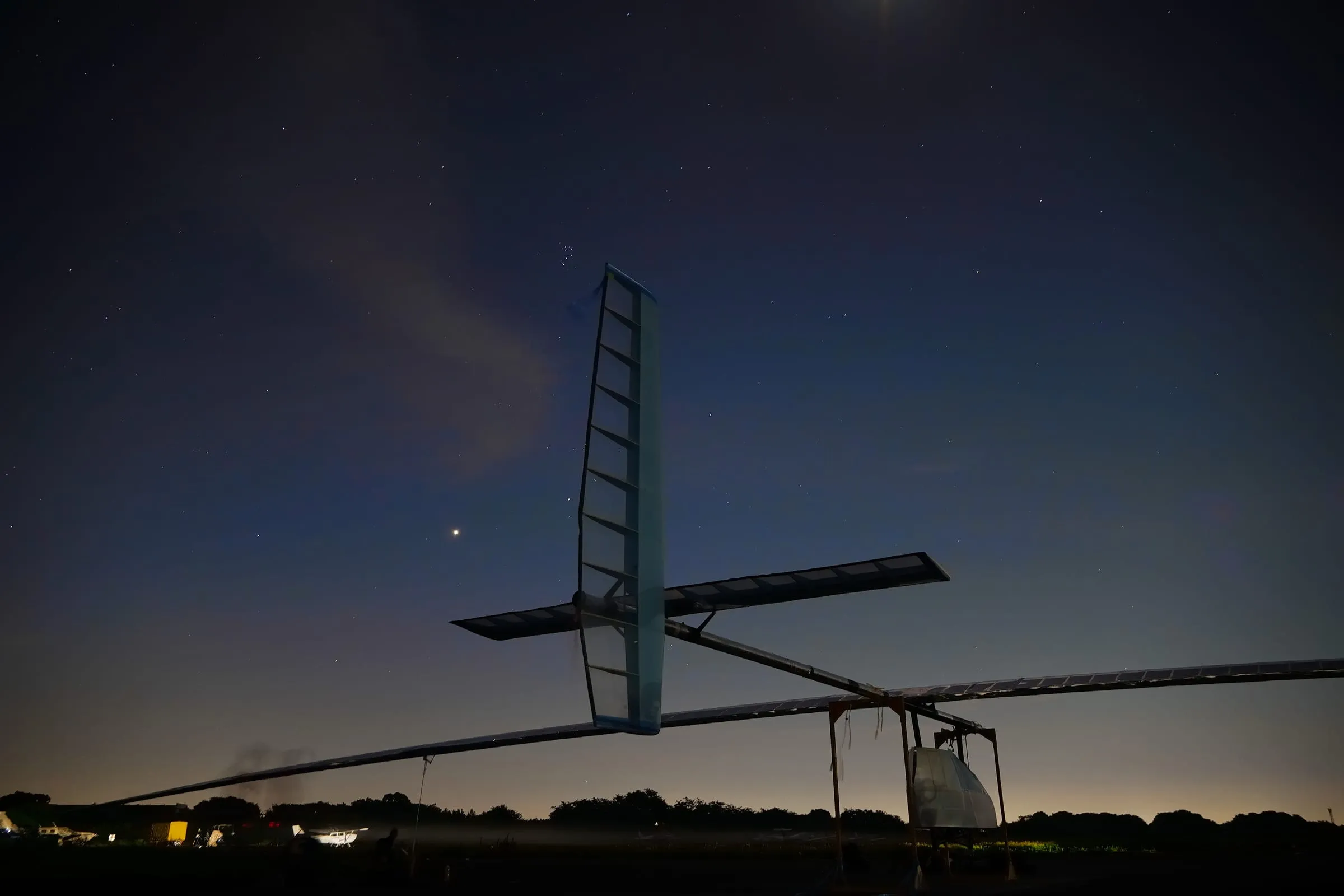
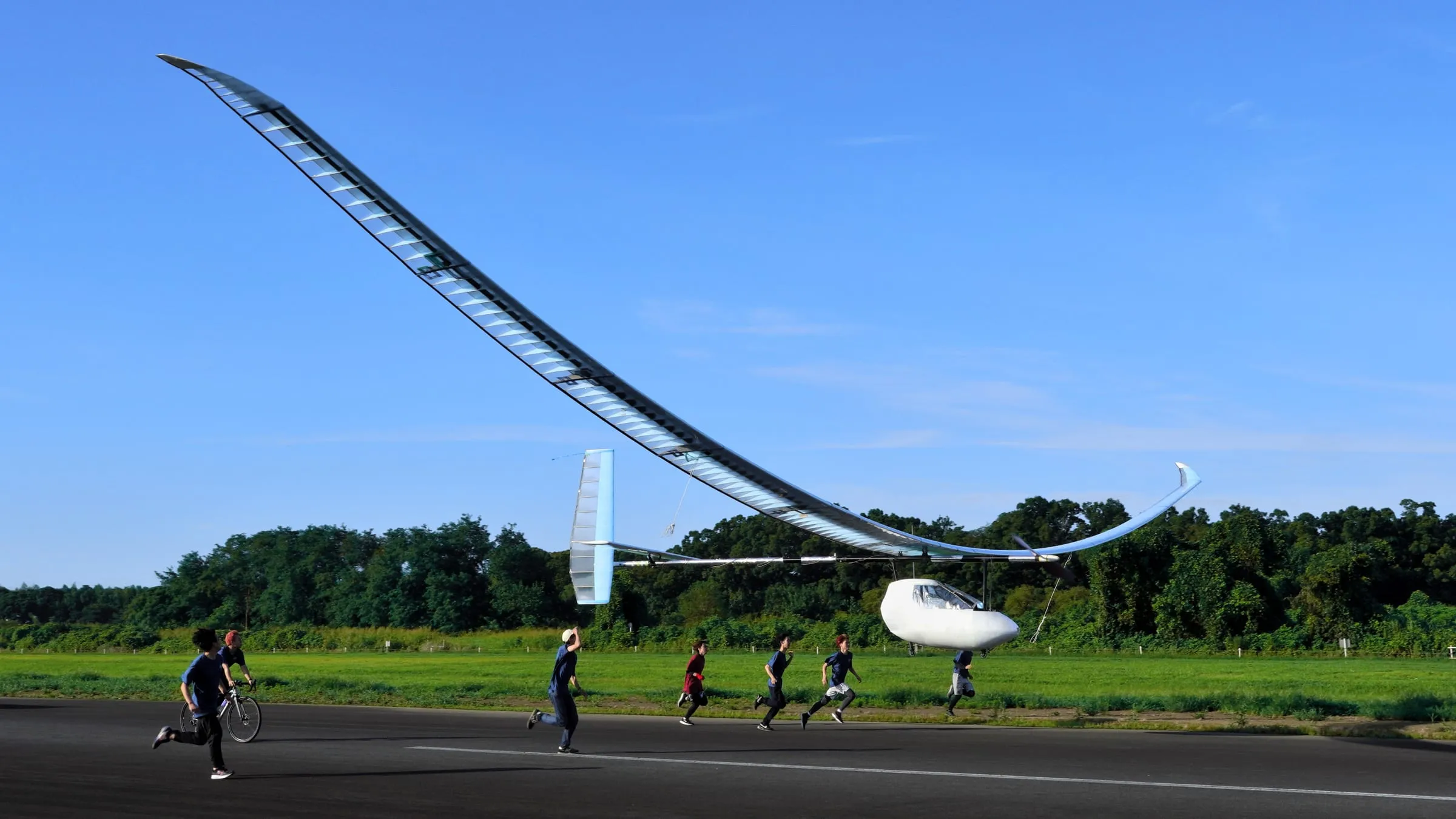
The Japan International Birdman Rally is a competition where teams build their own human-powered aircraft and fly them as far as they can over Lake Biwa. It is held every summer and broadcast as a television special by Yomiuri TV.
I was a member of WASA, Waseda University’s human-powered aircraft club. It has been running for over forty years, and every year the team designs an aircraft from scratch, builds it, and hauls it to Lake Biwa.
My own work was not on the aircraft itself: I handled operations, sponsor relations, and outreach. Correspondence with sponsors and the competition office, the paperwork, and the records and posts that told people outside the club what we were doing. The pilot and the design team are the ones who get the aircraft off the ground, but getting them that far takes people who raise the money, hold the deadlines, and act as the point of contact with the outside world. That was my side of it.
What stayed with me is the sense that engineering alone doesn’t fly. However good the design is, the aircraft never takes shape if the materials don’t arrive; and if nobody outside can tell what you are doing, neither the funding nor the next generation of members arrives either. Building something and keeping it buildable are two different jobs.
As an AI engineer
These days I intern at neoAI, building products with machine learning and large language models. In the summer of 2026 I also joined the jig.jp summer internship, where our team took an app for a pair of smart glasses from concept to implementation.
Most of my own time goes to WASA Chat, a chatbot that answers natural-language questions across the handover wiki and public documents of the same WASA I just described.
What makes it interesting is that the hard part is not producing clever answers — it’s not producing wrong ones. People read the handover documents and then build an aircraft based on what they read, so a plausible-sounding fabrication is the worst possible failure. That’s why every answer carries its sources and links back to the original document.
The other one is HRS, a hotel reservation system from my software engineering course. It was my first proper experience of doing UML analysis and design first and implementing afterwards. Implementing exactly what the design says turned out to be harder than expected, and I redrew the line between “decided in the diagram” and “decided in the code” several times.
What I’ll write here
Roughly three things:
- Records of what I build — less about what I made, more about why it is designed that way. The reasoning is what I forget first.
- Notes on what I learn — a place to rewrite what I understood from a lecture or a paper in my own words.
- Things that didn’t work — failed implementations and options I decided against. That kind of write-up is hard to find by searching, which is exactly why it seems worth writing.
I haven’t settled on a schedule, but I’ll write when I have something to say.
Contact
My work and code live on GitHub. Feel free to reach out there.